


UK neurologist proposes new approach to help detect hidden brain cancers earlier
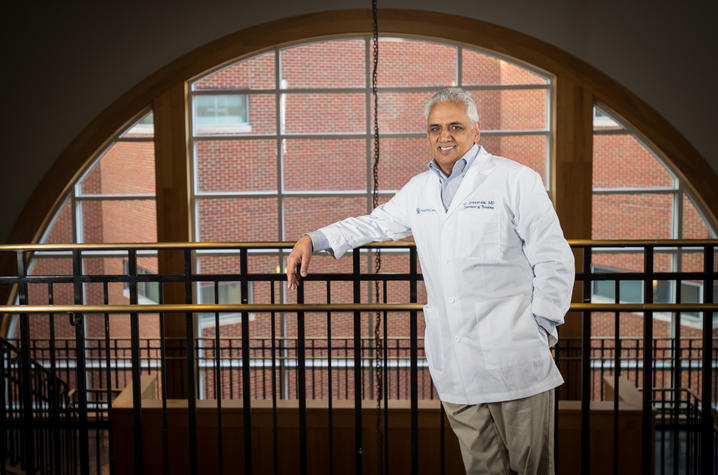
LEXINGTON, Ky. (Sept. 23, 2026) — A University of Kentucky neurologist is proposing a new diagnostic roadmap that could help doctors identify hidden brain cancers earlier and prevent patients from undergoing months of treatment for the wrong condition.
In a paper published in the Journal of the Neurological Sciences, Jagannadha “Jay” Avasarala, M.D., of the UK College of Medicine Department of Neurology, describes a workflow that adds cerebrospinal fluid (CSF) liquid biopsy to the evaluation of certain patients with suspected autoimmune encephalitis.
Autoimmune encephalitis occurs when the immune system mistakenly attacks the brain, causing symptoms that can include memory and behavioral changes, seizures and altered consciousness. Diagnosing the condition can be difficult because some cancers affecting the brain and central nervous system can cause similar symptoms and even look like inflammation on brain imaging and spinal fluid testing.
Avasarala says current diagnostic approaches are primarily designed to identify antibodies associated with autoimmune encephalitis, rather than cancer. When antibody testing is negative — known as seronegative autoimmune encephalitis — an underlying tumor can sometimes go undetected.
Research cited in the paper illustrates the potential consequences. In the largest multicenter study of autoimmune encephalitis misdiagnosis, brain tumors accounted for 9.5% of misdiagnoses, and patients waited a median of 16 months before receiving the correct diagnosis. One in five patients in the study experienced complications from immunotherapy they did not need.
“This workflow is designed to save lives,” Avasarala said. “We need to recognize when the underlying problem may be cancer and use the tools available to find what might otherwise be missed.”
Avasarala's proposed approach uses liquid biopsy to look for genetic and molecular signs of cancer in CSF, the fluid surrounding the brain and spinal cord. Because CSF is often already collected through a spinal tap when patients are evaluated for autoimmune encephalitis, additional molecular testing could provide another way to search for cancers that conventional testing may miss.
The tests themselves are not experimental. The paper points to validated, commercially available testing methods already incorporated into National Comprehensive Cancer Network guidelines for several cancers affecting the central nervous system. Some targeted tests can return results within hours.
Avasarala identifies five warning signs that should prompt doctors to consider liquid biopsy testing. They include unusual symptoms in patients who test negative for known antibodies; unclear MRI findings; failure to respond to initial treatment; a current or previous cancer diagnosis; and inflammatory spinal fluid when conventional testing for cancer is negative.
“This isn’t about adding another test for every patient,” Avasarala said. “It’s about recognizing when we need to broaden the search and make sure an underlying cancer isn't being missed.”
UK HealthCare is the hospitals and clinics of the University of Kentucky. But it is so much more. It is more than 10,000 dedicated healthcare professionals committed to providing advanced subspecialty care for the most critically injured and ill patients from the Commonwealth and beyond. It also is the home of the state’s only National Cancer Institute (NCI)-designated Comprehensive Cancer Center, a Level IV Neonatal Intensive Care Unit that cares for the tiniest and sickest newborns and the region’s only Level 1 trauma center.
As an academic research institution, we are continuously pursuing the next generation of cures, treatments, protocols and policies. Our discoveries have the potential to change what’s medically possible within our lifetimes. Our educators and thought leaders are transforming the healthcare landscape as our six health professions colleges teach the next generation of doctors, nurses, pharmacists and other healthcare professionals, spreading the highest standards of care. UK HealthCare is the power of advanced medicine committed to creating a healthier Kentucky, now and for generations to come.