


Cyclosporiasis outbreak in Kentucky: How to reduce your risk
LEXINGTON, Ky. (July 13, 2026) — Kentucky health officials are investigating a widespread outbreak of cyclosporiasis, an intestinal illness linked to ingesting food or water contaminated with the microscopic parasite cyclospora.
The Kentucky Department for Public Health is investigating 100 reported cases statewide, 61 of which have been confirmed.
What are the symptoms?
The symptoms of cyclosporiasis typically begin two to 14 days after exposure. The most common symptom usually includes watery diarrhea with frequent, sometimes explosive, bowel movements, fatigue and abdominal cramping.
Someone with cyclosporiasis may feel ill for days to a month with symptoms that come and go, which can cause frustration
How is cyclosporiasis treated?
Differentiating cyclosporiasis from other types of diarrheal illness can be difficult and requires specialty testing, so if you feel you are experiencing symptoms, visit your healthcare provider.
Most healthy people will recover from the illness without treatment, but its duration may be prolonged. For those recovering at home, rest and hydration with electrolyte-containing fluids (such as those found in soups and store-bought sports drinks) can help prevent severe dehydration.
When symptoms persist beyond a few days or are severe, discussing testing and options for treatment with a healthcare professional is advised. A common antibiotic called sulfamethoxazole-trimethoprim (trade name, Bactrim) can be used to treat the illness.
How is the infection prevented?
Past cyclosporiasis outbreaks have been linked to consuming fresh produce such as raspberries, basil, cilantro and bagged salad mixes.
While the direct cause for the current cases is still unknown, The Kentucky Department for Public Health has health and safety recommendations for handling fresh fruits and vegetables.
- Wash all produce thoroughly
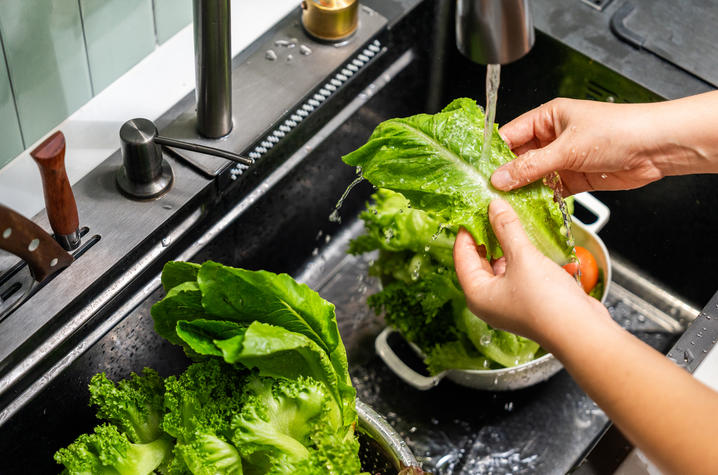
- Buy whole heads of lettuce and leafy greens rather than prewashed, bagged lettuce or salad mixes. It is recommended to throw away the outer two to three layers of leaves and wash the inner leaves under running water.
- If you are prone to infections, cook produce when possible (heating to 158 degrees Fahrenheit).
UK HealthCare is the hospitals and clinics of the University of Kentucky. But it is so much more. It is more than 10,000 dedicated healthcare professionals committed to providing advanced subspecialty care for the most critically injured and ill patients from the Commonwealth and beyond. It also is the home of the state’s only National Cancer Institute (NCI)-designated Comprehensive Cancer Center, a Level IV Neonatal Intensive Care Unit that cares for the tiniest and sickest newborns and the region’s only Level 1 trauma center.
As an academic research institution, we are continuously pursuing the next generation of cures, treatments, protocols and policies. Our discoveries have the potential to change what’s medically possible within our lifetimes. Our educators and thought leaders are transforming the healthcare landscape as our six health professions colleges teach the next generation of doctors, nurses, pharmacists and other healthcare professionals, spreading the highest standards of care. UK HealthCare is the power of advanced medicine committed to creating a healthier Kentucky, now and for generations to come.