


Building the future: How campus construction projects come to life
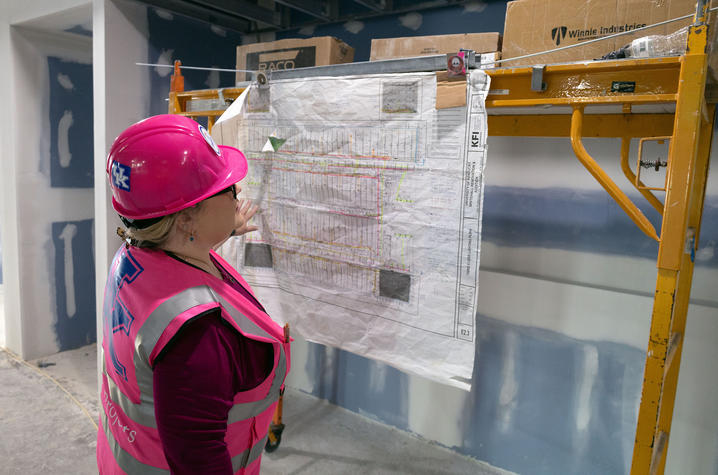
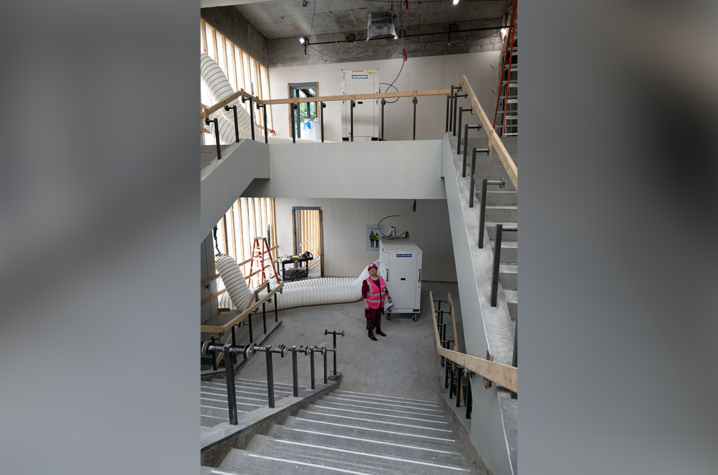
LEXINGTON, Ky. (March 13, 2026) — At the University of Kentucky, campus construction projects are more than just buildings. They are carefully planned, designed and managed endeavors that shape the future of education, research and student life. Behind every new residence hall, classroom, health care facility or research space is a dedicated Facilities Management team in planning, design and construction working together with UK leadership and campus stakeholders to turn vision into reality.
With 60 active UK capital projects totaling just under $6.7 billion, the impact for students, faculty, patients and staff is immeasurable.
Laying the groundwork: Campus planning
The process begins with the campus planning team, which includes UK leadership creating a comprehensive roadmap looking years ahead. This roadmap guides the university’s growth, projecting where new buildings will go and what spaces will be needed as UK’s student body and Kentucky’s health care needs grow. The planning team works closely with stakeholders across the university to anticipate needs, ensuring the campus evolves to support not only current, but future generations.
“Planning is the first step in turning dreams into reality. It means understanding the past, engaging with the present and envisioning the future through collaboration to create concepts and programs that guide our teams in transforming ideas into campus buildings,” said Paul Knowles, director of Campus Planning and Space Management in Facilities Management. “This process depends on attentive listening, thoughtful analysis and the application of the team’s professional expertise.”
Getting the green light: Funding and approvals
Once plans are set, projects move into the approval phase. The university submits six-year plans to the Kentucky legislature, broken down into three two-year increments, which provides authorization for new projects.
“For major projects like the new Agricultural Research Building, a 268,000-square-foot facility that will be the Martin-Gatton College of Agriculture, Food and Environment’s central research hub, funding comes from a mix of state bonds and agency funds,” said Wayne Thomas, capital construction director in Facilities Management.
The UK Board of Trustees must also approve all capital construction projects before any design or construction work can begin.
From approval to action: Project management
Once funding and approvals are secured, the Facilities Project Management and Capital Project Management teams in Planning, Design, and Construction step in.
“The success of any project hinges greatly on the skills of the project manager,” said Kevin Locke, associate vice president of planning, design and construction. “They are the ones who shepherd the project through all the ups and downs and make sure that everyone involved is on the same page and have the same information. There are so many factors that can affect a project, including budget and schedule adherence, construction quality, end-user engagement and many other issues. It’s not a job for the meek.”
A project manager is assigned to lead each project from initiation to project completion while continuing to coordinate with UK leadership and campus stakeholders at key points throughout the process. Project managers begin by assembling a detailed budget covering everything from design fees and furniture to IT infrastructure and utilities. They follow a rigorous project checklist which provides a roadmap guiding the project through the design, bidding and construction phases.
Design and bidding: Collaboration and compliance
Architectural firms are selected based on qualifications and design teams work closely with project managers to keep projects on budget and on schedule. For larger projects, construction managers are hired to oversee the building process.
The construction manager will divide the construction project into trade packages such as electrical, concrete or plumbing, and contractors submit bids in a transparent, competitive process. Bid day is a key milestone for a construction project where sealed bids are opened and costs are finalized, moving estimates into firm construction costs.
Building the vision: Construction phase
Once contracts are awarded, construction begins. Project managers are the busiest during this phase, regularly visiting sites, managing schedules, resolving issues and coordinating among contractors.
“A project manager’s job is to control the uncontrollable,” Thomas said. “They are constantly balancing budget constraints, labor availability, materials costs and unforeseen challenges while ensuring the quality and scope of the project remains intact.”
Throughout construction, planning, design and construction staff and design teams monitor progress and maintain strict quality standards. And the project remains financially tethered — it cannot exceed the project cost authorized by the state and approved by the UK Board of Trustees, ensuring fiscal responsibility.
Shaping tomorrow’s campus
From the initial roadmap to the final brick laid, the planning, design and construction team in Facilities Management works seamlessly with university leadership and campus partners to bring ambitious projects to life. The team’s collaborative effort is critical in supporting the university’s growth, creating modern spaces for learning, research and health care.
UK is building not just structures, but the foundation for a thriving future to further the work being done every day to advance Kentucky.
“UK’s campus isn’t just built for today; it’s built for generations,” said Barry Swanson, interim vice president of Facilities Management. “Through the vision and dedication of our planning, design and construction team, we create spaces that will empower students, support faculty and care for patients for decades to come.”
As the state’s flagship, land-grant institution, the University of Kentucky exists to advance the Commonwealth. We do that by preparing the next generation of leaders — placing students at the heart of everything we do — and transforming the lives of Kentuckians through education, research and creative work, service and healthcare. We pride ourselves on being a catalyst for breakthroughs and a force for healing, a place where ingenuity unfolds. It's all made possible by our people — visionaries, disruptors and pioneers — who make up 200 academic programs, a $1.02 billion research and development enterprise and a world-class medical center, all on one campus.